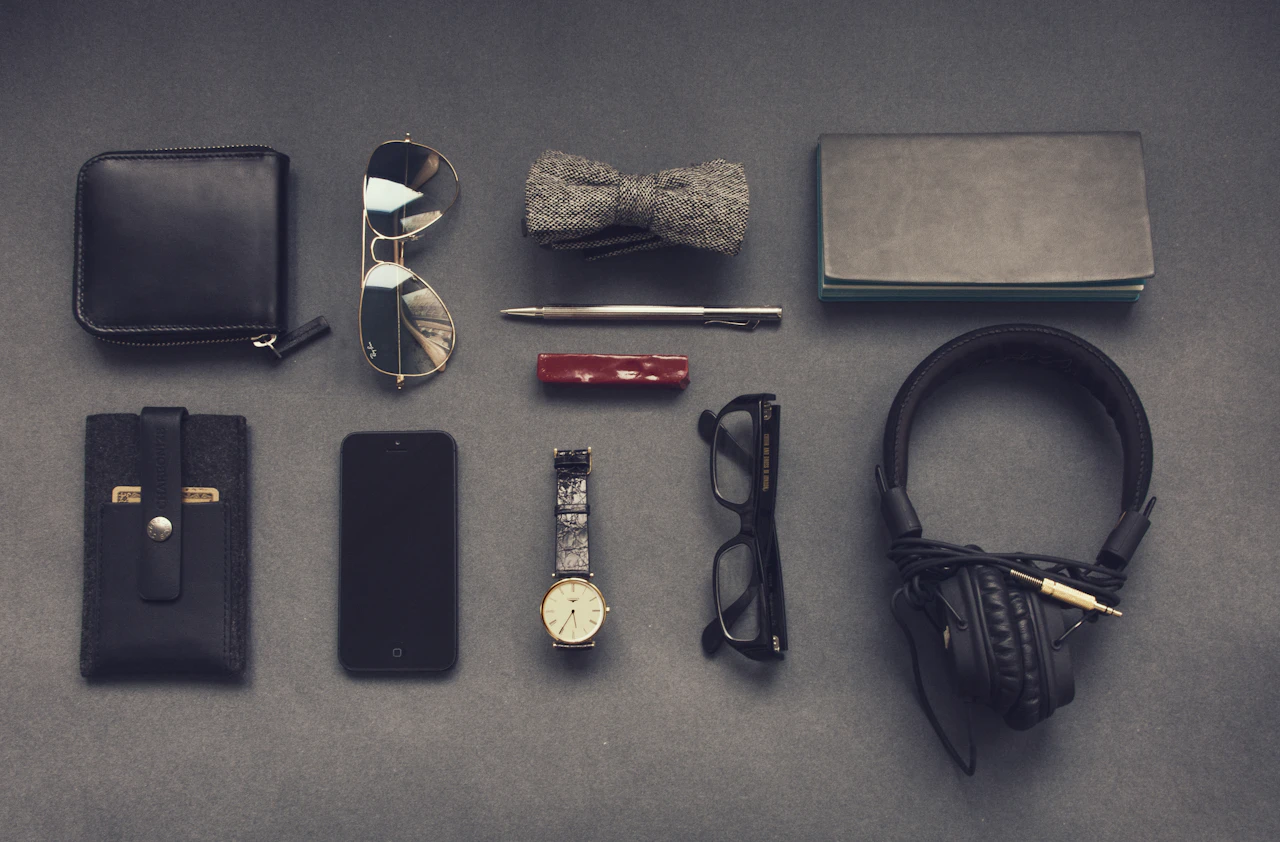
If you love easy-to-wear style with a point of view, this season’s most interesting fashion story is not just about clothing—it’s about the little finishing pieces that make ethnic wear feel personal, polished, and completely current. The right accessories can turn a familiar saree, kurta set, lehenga, or fusion look into something memorable, whether you are dressing for a wedding, a festive dinner, or a regular day when you want your outfit to speak a little louder. In a crowded market of trends, the smartest shoppers are learning to look for unique accessories that do more than decorate; they tell a story, solve a styling problem, and signal taste. That is especially true in ethnic fashion, where texture, color, craftsmanship, and silhouette all matter at once.
At asianwears.com, we think of accessories as the bridge between tradition and self-expression. A handcrafted potli, an unexpected necklace stack, a statement belt, or a sculptural pair of earrings can change the mood of an entire look without requiring a wardrobe overhaul. If you want your outfits to feel fresh, this guide will help you shop more strategically and style more confidently. Along the way, you will also find practical buying advice, trend alerts, and curated ideas inspired by everything from how gold jewelry is priced to nostalgic shades making a fashion comeback.
Why Accessories Matter More in Ethnic Wear Than You Think
They shape the whole outfit, not just the finishing touch
In ethnic dressing, accessories are not afterthoughts. They influence proportion, highlight embroidery, and help balance garments that are already rich in detail. For instance, a heavily embellished lehenga may need restrained jewelry and a clean bag, while a plain silk saree may benefit from bolder earrings or a waist belt to add visual depth. This is why styling in ethnic fashion often feels more nuanced than everyday dressing; every piece has a role, and the accessory choice can either harmonize the look or overload it.
That same logic is what makes unique accessories so valuable. When you choose pieces with intention, they become markers of personality. A minimal, modern bangle stack suggests refined simplicity, while antique-inspired jhumkas communicate heritage and drama. If you are trying to refine your eye, start with the basics of balance and outfit intent, the same way a smart buyer considers priorities before any major purchase, much like the approach in this practical buying checklist.
Accessories help you repeat outfits without looking repetitive
One of the biggest style challenges for shoppers is making the same ethnic outfit feel new across multiple wears. Accessories solve that beautifully. A pastel kurta set with pearl earrings feels wedding-guest ready, but the same set with oxidized silver jewelry and a boxy sling bag can suddenly look more youthful and street-style inspired. Similarly, a saree you wore to a formal event can be refreshed with a different blouse, a layered necklace, or a contemporary clutch on the second wear.
This is particularly useful for people who value both budget and variety. Rather than buying several near-identical outfits, it often makes more sense to invest in accessories that multiply your styling options. That mindset is echoed in other smart-shopping categories too, like shopping season timing and budget upgrades that deliver outsized impact.
They are the easiest way to express identity
Accessories are deeply personal because they are often the smallest things with the loudest style voice. Some shoppers prefer heirloom-inspired jewelry that feels tied to family and memory, while others want edgy metallic bags, asymmetrical earrings, or unexpected colors that show confidence. The best ethnic wear styling usually includes one element that feels emotionally meaningful and one element that feels fresh. That mix is what keeps a look from feeling costume-like.
If you enjoy building an outfit around a feeling rather than a rule, think of accessories as your signature language. Your style can be soft, maximal, artistic, regal, experimental, or understated, and the right accessories make that visible in seconds. For a deeper lens on how emotion shapes what people buy and wear, see emotional storytelling in style and content and how culture influences identity.
The Season’s Most Unexpected Accessories Worth Watching
1. Waist belts that do more than define the waist
Waist belts, especially in ethnic wear, are no longer just functional. A sleek kamarbandh-inspired belt, a chain belt with tassels, or a fabric sash with metallic detailing can transform a straight kurta, draped saree, or layered lehenga into a more structured silhouette. They create shape, draw the eye to the center of the outfit, and can even help unify mixed textures when you are layering a jacket, dupatta, or cape.
Choose belts with care. If your outfit already has dense embellishment, go with a cleaner belt in antique gold, matte silver, or black enamel. If your outfit is simple, this is where you can be bold and select one with gemstones, coin motifs, pearls, or handwoven fabric. It is a small accessory with major impact, similar to how a strategic product upgrade can change your entire setup, as seen in change-ready system planning.
2. Sculptural earrings that feel like wearable art
This season, earrings are moving beyond the expected chandelier and jhumka categories. Look for sculptural shapes, organic curves, mixed metals, and artisanal finishes that look more like collectible design objects than standard occasion jewelry. These pieces work especially well with solid-colored silk sarees, minimal shararas, and monochrome fusion sets, because they add drama without requiring extra layers elsewhere.
The key is scale. If the earring is bold and architectural, keep the neckline simple so the face remains the focal point. If the earrings are ornate but lightweight, you can add a ring stack or slim bracelet for a complete, edited finish. For shoppers who want quality that lasts, it helps to understand how jewelry margins and gold composition affect price, which is why this guide to gold jewelry buying is worth a read before investing.
3. Bags with texture, craft, and personality
The ethnic bag category is finally having a more interesting moment. Beyond the classic potli, shoppers are embracing embroidered box bags, beaded mini totes, woven clutches, zari-detailed minaudières, and small shoulder bags that pair with both festive wear and Indo-western outfits. Texture is the trend to watch here. A bag made of mirror work, velvet, jacquard, raffia, or hand embroidery can immediately elevate a simple outfit and create a more curated finish.
What matters most is proportion. A dramatic lehenga often pairs best with a compact bag, while a straight kurta set can carry a slightly larger structured bag. When your clothes are already ornate, the bag should feel like a complement, not competition. If you like discovering style through a place-based, curated lens, think of this as the fashion version of a hidden market treasure hunt: the best finds are the ones that feel both useful and special.
4. Brooches, pins, and decorative fasteners
Brooches are one of the most underestimated accessories in ethnic wear. They can secure a dupatta, decorate a jacket, elevate a kurta collar, or add refinement to a saree drape. Modern versions come in floral metals, gemstone clusters, meenakari finishes, and statement silhouettes that look fresh rather than formal. They are particularly helpful if you want a styling shortcut that feels polished with very little effort.
For many shoppers, brooches are the ideal gift accessory because they are versatile across ages and wardrobes. They also let you experiment without committing to a full jewelry set. Think of them as quiet power pieces: small enough to be wearable, but distinctive enough to be remembered. For more on building a smarter, more intentional wardrobe, see the rise of versatile everyday pieces and adapt that mindset to your ethnic accessories.
5. Anklets, toe rings, and other lower-half details
Lower-half accessories are returning to prominence because they add intimacy and craft to a look that people usually observe from the waist up. Anklets in silver, pearls, beads, or temple-inspired designs can beautifully complement sarees, long skirts, and festive Anarkalis. When styled thoughtfully, they bring movement and a sense of occasion to every step, especially in open footwear or with draped hems that reveal glimpses of detail.
This category works best when it feels considered. If your outfit and jewelry are already ornate, choose a thin, elegant anklet rather than something overly heavy. If your look is more minimal, you can embrace a more decorative version with tiny charms or temple bells. These details may be small, but they are often what make a look feel memorable in person.
How to Choose Unique Accessories That Actually Suit You
Start with your outfit’s fabric, neckline, and surface detail
Ethnic wear accessories should always be chosen in relationship to the garment, not in isolation. A high-neck blouse or heavily embellished neckline often needs statement earrings and skips the necklace. A simple V-neck or deep round neck can handle layered chains or a choker plus a pendant. Similarly, matte fabrics such as raw silk, cotton silk, and linen blends often pair well with artisanal, grounded finishes, while satin, brocade, and tissue shine beautifully alongside polished metals and stones.
The easiest way to shop well is to match the accessory’s visual weight to the garment’s visual weight. If the fabric has movement and softness, try accessories with fluid curves or delicate links. If the outfit has structure, choose pieces with bolder lines or defined silhouettes. This practical method is part of the same disciplined decision-making you would apply to any smart purchase, similar to reading a last-minute event-buying guide before making a commitment.
Pick one hero piece and let the rest support it
The most elegant ethnic looks usually follow a clear hierarchy. One hero accessory takes the spotlight, while all other accessories stay in support mode. This could mean oversized earrings with no necklace, a dramatic belt with minimal studs, or a jeweled clutch paired with clean bracelets. The effect is much more stylish than trying to make every item compete for attention.
If you are unsure where to start, choose the accessory that best expresses your mood for the event. Want regal? Pick a necklace or earrings with heritage details. Want modern? Pick a bag or belt with geometric lines. Want romantic? Choose pearls, florals, or pastel stones. This strategy helps you avoid overbuying and makes every outfit feel more intentional, much like story-driven style choices create a stronger impression than generic ones.
Use color theory to create personality, not just coordination
Matching accessories to your outfit exactly can look neat, but it can also feel flat. More interesting styling comes from color contrast, tonal layering, and controlled surprise. For instance, a rust saree can look rich with antique gold but also unexpectedly modern with emerald accents. A blush lehenga can feel softer with rose-gold hardware or more editorial with gunmetal details. Even a neutral outfit can be brought to life with one striking color in the bag or jewelry.
Seasonal color trends matter here too. Nostalgic tones, deep jewel shades, muted metallics, and earthy neutrals are especially strong when used in accessories because they are easy to integrate without replacing your entire wardrobe. For broader trend context, explore luxury revivals in nostalgic shades and luxe aesthetics at accessible prices.
Ethnic Wear Styling Tips for Different Occasions
For weddings: balance statement and comfort
Wedding dressing is where many shoppers over-accessorize, yet the best looks are usually the most balanced ones. If your outfit is heavily embroidered, choose accessories with fine detail but not excessive volume. If your lehenga or saree is more understated, use accessories to create the celebration factor through shine, dimension, or craftsmanship. The goal is to look radiant from morning rituals through the evening reception without feeling weighed down.
Comfort matters more than people admit. Heavy earrings need secure backings, clutches should open easily, and bangles should not pinch after an hour of wear. You should be able to enjoy the occasion instead of constantly adjusting your look. That kind of practical elegance is the real luxury, much like smart planning in other purchase decisions detailed in seasonal shopping strategy.
For festive dinners: try one surprise element
Festive dinners are ideal for experimentation because they ask for polish without the full formality of bridal or ceremonial dressing. This is the perfect setting for a novelty bag, an unusual earring shape, or a modern brooch. If your base outfit is traditional, the accessory can be the thing that gives it a contemporary twist. Even a classic kurta set can feel distinct when paired with a sculptural cuff or a textured clutch.
One useful trick is to think in terms of conversation starters. A distinctive accessory should make people look twice, then ask where it came from. That does not mean it must be loud; it simply needs a point of view. For more inspiration on making a strong style statement, see how artists build memorable identity—a useful mindset for your wardrobe too.
For everyday ethnic dressing: choose lightweight, repeatable pieces
Daily ethnic wear should be easy to wear, easy to care for, and easy to repeat. This is where smaller hoops, slim bangles, versatile rings, mini sling bags, and soft fabric accessories shine. Pieces that can move between work, errands, lunch plans, and evening prayers give you much more value than ornate items worn once a season. In many wardrobes, this is where style becomes genuinely sustainable.
A great everyday accessory should work across multiple outfits and weather conditions. Lightweight earrings should not tug, bags should keep essentials organized, and metals should be durable enough for frequent use. If you are building a practical wardrobe, also explore how smart consumers make steady choices in adjacent categories, from budget-friendly upgrades to timing purchases well.
A Detailed Comparison: Which Accessories Work Best Where?
The table below compares popular unique accessories across styling impact, best use cases, and what to watch for when buying. Use it as a fast decision tool when assembling looks for a specific event or shopping for gifts.
| Accessory | Best For | Style Impact | Buyer Tip | Typical Mistake |
|---|---|---|---|---|
| Statement earrings | Weddings, festive evenings | High | Match scale to neckline and hairstyle | Pairing with a heavy necklace and crowding the face |
| Waist belt | Sarees, lehengas, layered kurtas | High | Choose structure that complements fabric weight | Using a belt that clashes with embroidery |
| Embroidered clutch | Celebrations, receptions, dinners | Medium to high | Prioritize closure, size, and interior space | Buying for looks alone and forgetting practicality |
| Brooch or dupatta pin | Formal events, gifting | Medium | Look for secure fastening and versatile metal tones | Choosing a pin that snags delicate fabric |
| Anklet | Traditional and festive dressing | Medium | Keep it comfortable enough for long wear | Selecting a style that feels heavy or noisy |
| Layered necklace | Simple blouses, plain kurtas | High | Keep neckline depth in mind | Wearing layers with too much surface embellishment |
| Stacked rings | Minimalist ethnic looks | Low to medium | Mix textures while keeping the palette cohesive | Over-stacking on both hands without visual balance |
How to Buy Better: Quality, Craft, and Value Signals
Look closely at materials and finishing
Good accessories reveal themselves in the finishing. Check the strength of clasps, stitching, bead attachment, lining, and the smoothness of metal edges. If you are buying jewelry, notice whether the piece feels balanced in the hand, whether the stones are secure, and whether the plating looks even. For bags, inspect the seams, handle joins, zipper quality, and inner compartments because these determine whether the piece will last beyond one event.
Craft matters too. Hand embroidery, hand-beading, woven textures, and artisan-made metalwork often carry subtle irregularities that signal authentic making rather than mass production. Those imperfections are not flaws; they are often the evidence of human skill. If you value handmade work, also read the role of local makers and artisan goods for a broader perspective on craft-led shopping.
Understand what you are paying for
Price is about more than sparkle. In jewelry, it may reflect metal content, stone quality, craftsmanship, and brand positioning. In bags, it may reflect handwork hours, material sourcing, and durability. The best shoppers learn to distinguish between decorative value and structural value. A piece that looks expensive but cannot survive repeated use is often a poor investment, no matter how beautiful it appears online.
When you understand pricing logic, you can shop with more confidence and less impulse. That also makes gifting easier because you can choose pieces that feel generous without overspending. For an inside look at how value is built into jewelry pricing, revisit how jewelers make money on gold.
Prioritize wearability, not just trendiness
Trend alerts are useful, but the smartest purchase is the one that still makes sense after the season changes. Ask yourself whether the item works with at least three outfits you already own. Check whether it is comfortable, light enough, secure enough, and versatile enough to move between events. Accessories become truly valuable when they add styling options rather than single-use drama.
Pro Tip: If you are tempted by a highly decorative accessory, test it against three real outfits in your mind. If it only works with one, it is probably a statement buy. If it works with three or more, it is a wardrobe builder.
Gifting Unique Accessories: A Smart, Stylish Choice
Why accessories make excellent gifts
Accessories are ideal gifts because they are personal without being overly intimate, stylish without requiring exact size precision, and often easier to adapt to different tastes than full outfits. A well-chosen pair of earrings, a textured clutch, or a handcrafted brooch can feel thoughtful and luxurious. They also suit a wide range of budgets, which makes them practical for birthdays, festive exchanges, host gifts, and bridal occasions.
When gifting, think about the recipient’s daily style. Does she wear classic silhouettes, or does she love bold fashion? Does she prefer gold tones, silver tones, or mixed metals? Is she more likely to use a statement piece or a subtle one? The best gifts feel chosen with the person in mind rather than selected from a generic trend list.
How to choose gifts for different personalities
For the minimalist, choose elegant studs, a slim chain, or a monochrome clutch. For the maximalist, choose a dramatic pair of earrings, embellished bangles, or a richly textured potli. For the artistically inclined, look for asymmetric shapes, handcrafted finishes, or mixed-material pieces that feel unusual. For someone who values tradition, temple-inspired jewelry, zari work, or classic silhouettes may be the most appreciated.
If you want to make the gift feel even more considered, package it with a styling note or a suggested outfit pairing. That turns the accessory into a ready-to-wear styling solution, not just a box. Similar thinking appears in consumer-focused strategy pieces like building authentic connections, where specificity creates a stronger emotional response.
Buy gifts that age well
When selecting a gift, resist the urge to over-index on novelty alone. Better gifts are often the ones with timeless lines, durable construction, and broad compatibility. A versatile accessory can move from festive season to wedding season to family gatherings, which gives it lasting value. In this way, a thoughtful accessory gift is both fashionable and practical, a rare combination that makes the recipient think of you each time they wear it.
Trend Alerts: What’s Rising in Accessories Right Now
Mixed metals and layered textures
The old rules about matching everything perfectly are loosening, and that is good news for style. Mixed metals bring depth and make accessories feel more contemporary, especially when used alongside heritage silhouettes. Layered textures—like beads with metal, fabric with stones, or woven surfaces with polished hardware—are also becoming more visible because they create richness without requiring a large scale.
This trend is especially useful in ethnic wear, where a single outfit can support a lot of visual nuance. A silver and gold mixed bracelet, for example, can work with both cool and warm outfits, while a two-texture bag can bridge traditional and modern pieces. For broader fashion signals, keep an eye on nostalgic color revivals and how they pair with new materials.
Quiet luxury with artisan detail
Another strong direction is quiet luxury with a handcrafted edge. Instead of oversized logos or flashy ornamentation, shoppers are leaning toward refined shapes, exceptional finishing, and artisan-made texture. This gives ethnic accessories a more elevated feel, because the richness comes from craft rather than excess. It also aligns beautifully with shoppers who want authenticity and subtle status rather than overt display.
That balance between restraint and richness is part of what makes contemporary ethnic style so compelling. A perfectly finished bag or a finely detailed earring can say more about taste than a louder item ever could. If you enjoy reading trends as signals of lifestyle change, consider how other sectors interpret demand shifts, such as trend-led communications or risk-aware decision-making.
Handcrafted small batches over mass sameness
Shoppers are increasingly drawn to pieces that feel found, not factory-stamped. Small-batch accessories, regional craft techniques, and handmade details are in demand because they offer distinction and support artisan ecosystems. This is especially meaningful in ethnic fashion, where tradition and heritage already form part of the aesthetic language. When you buy a handmade accessory, you are often also buying story, skill, and cultural continuity.
That value is why curated marketplaces matter. They reduce choice overload and help shoppers find pieces that are not just pretty, but meaningful. For readers who enjoy uncovering the story behind the object, story-first shopping frameworks are a useful mindset to apply here.
Putting It All Together: A Simple Styling Formula
Use the 3-part rule
To build a polished ethnic look, start with three questions: What is the hero garment? What is the hero accessory? What is the supporting accessory? This framework keeps your outfit cohesive and prevents over-layering. For example, if your hero garment is a deep maroon silk saree, your hero accessory might be a pair of sculptural earrings, and your supporting accessory might be a compact embroidered clutch.
This approach is efficient, elegant, and repeatable. It also makes packing for travel easier because you can mix and match with fewer items. For more on practical planning and smart selections, browse how other shopping decisions are made in guides like event deal strategies and best times to buy.
Build a small accessory wardrobe
You do not need dozens of accessories to look well styled. A strong collection may include one classic pair of earrings, one statement pair, one versatile clutch, one festive bag, one belt, one brooch, one layered necklace, and a few rings or bangles. That small capsule can cover a surprisingly large number of occasions, especially if your wardrobe already contains mixable ethnic basics.
Think of this as a curated toolkit rather than a large collection. A toolkit is easier to maintain, easier to wear, and easier to update over time. If you like the discipline of strategic collecting, you may appreciate how curated decisions are handled in categories like seasonal purchase planning and smart small upgrades.
Choose pieces that feel like you
The best accessory is never just the most fashionable one. It is the one that makes you feel fully visible. Whether you are drawn to minimal silver, mirrored sparkle, embroidered texture, or antique-inspired gold, your choices should reflect the version of yourself you want to express. Ethnic wear has the beautiful ability to hold tradition and individuality at the same time, and accessories are where that balance becomes visible.
When your accessories feel personal, your outfit stops looking assembled and starts looking authored. That is the real goal of styling this season: not to wear more, but to wear better.
Frequently Asked Questions
How do I choose accessories for a heavily embellished ethnic outfit?
When the outfit already has embroidery, sequins, zari, or dense surface detail, keep accessories focused and selective. Choose one main focal point, such as earrings, a belt, or a clutch, and let the rest remain minimal. This keeps the outfit elegant rather than busy. If in doubt, reduce the number of competing textures and stay within one metal family.
What are the best unique accessories for everyday ethnic wear?
For daily wear, prioritize lightweight earrings, slim rings, small cuffs, soft sling bags, and simple brooches. These pieces are easy to repeat and work across multiple outfits. They should feel comfortable enough for long wear and durable enough for regular use. The goal is versatility with a touch of personality.
Are statement bags appropriate with traditional outfits?
Yes, but the key is proportion and texture. A statement bag works best when it adds a new material or craft element without overwhelming the outfit. With a heavily decorated lehenga, go smaller and more compact. With a simple saree or kurta set, you can be more expressive and use the bag as the standout piece.
How can I make the same saree look different each time?
Change the blouse, jewelry, bag, and drape styling. A saree can look dramatically different with a structured belt, layered necklace, or brooch compared with a minimalist styling approach. Even swapping gold-toned accessories for silver-toned ones can shift the mood. Re-styling is one of the easiest ways to expand your wardrobe without buying more clothes.
What accessories make the best gifts for ethnic wear lovers?
The most versatile gift accessories are earrings, clutches, brooches, and elegant bangles. These items do not require exact sizing and are easy to incorporate into multiple wardrobes. If you know the recipient’s taste, you can personalize the gift by choosing traditional, modern, or handcrafted styles. A thoughtful gift feels useful, beautiful, and wearable.
How do I know if an accessory is good quality?
Check the finishing, clasps, stitching, balance, and material integrity. Jewelry should feel secure and well-made, while bags should have strong seams and reliable closures. Handmade items may have slight irregularities, but they should still feel intentional and durable. Quality is what makes an accessory worth wearing repeatedly.
Related Reading
- From Trail to Town: The Rise of Outdoor Pieces You Can Wear Every Day - See how versatile styling can make one piece work across multiple occasions.
- How Jewelers Really Make Money on Gold — What Every Buyer Should Know - Understand the value signals behind jewelry pricing before you buy.
- Luxury Revivals: The Return of Nostalgic Shades in Fashion and Beauty - Explore the colors that are shaping this season’s accessories.
- Artisan Essentials: Spotlight on Local Makers of Reusable Cleaning Supplies - A wider look at why handmade, local goods matter to conscious shoppers.
- A Food Lover's Guide to Tokyo's Hidden Markets - Discover the thrill of curated finds and unexpected treasures.
